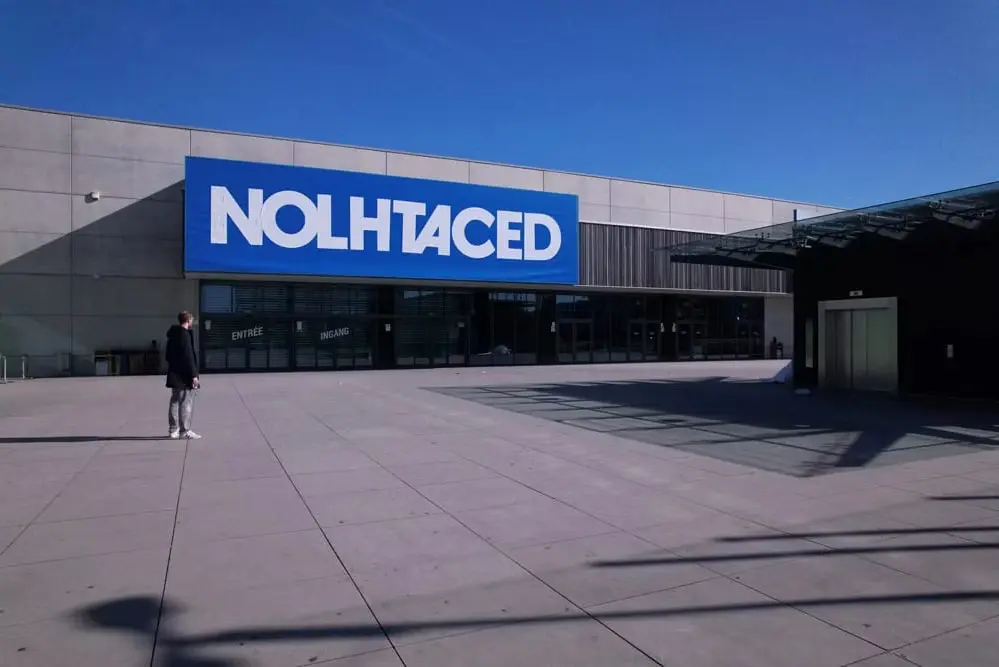
Depuis quelques mois, Decathlon, le géant de l'équipement sportif, a mis en place une initiative audacieuse qui ne manque pas de faire parler d'elle. En effet, l'enseigne propose désormais à ses clients de lui rapporter leurs articles de sport anciens ou inutilisés en échange de bons d'achat. Ces articles sont ensuite revendus d'occasion, offrant ainsi une seconde vie aux produits et permettant aux consommateurs de réaliser des économies. Une initiative louable, mais ce n’est pas tout : dans le cadre de cette campagne, Decathlon a décidé de jouer la carte de l’originalité en rebaptisant temporairement son nom en "nolhtaceD" sur certains de ses supports de communication.
Une stratégie de rebranding éphémère : pourquoi "nolhtaceD" ?
Ce rebranding temporaire est loin d’être un simple coup de communication. Il s’agit d’une stratégie marketing subtile et bien pensée. Le retournement du nom "Decathlon" en "nolhtaceD" symbolise le renversement des habitudes de consommation traditionnelles, encourageant les clients à envisager l’achat de produits d’occasion plutôt que neufs. Cette approche non conventionnelle capte l'attention, crée de la curiosité, et surtout, incite à la réflexion sur les habitudes d’achat.
Le choix de renverser le nom de la marque est également un clin d’œil au concept de "reverse commerce" ou commerce inversé, où les produits, au lieu de suivre le cycle traditionnel du producteur au consommateur, reviennent au détaillant pour une nouvelle vie. C'est une manière ingénieuse de communiquer sur la circularité des produits, un concept qui gagne en importance à l’heure où les questions environnementales deviennent centrales dans les décisions d’achat des consommateurs.
Le rôle du marketing dans le succès de la campagne de seconde main
L'initiative de Decathlon s'inscrit dans une tendance plus large du marché, où la demande pour des produits de seconde main explose. Les consommateurs, de plus en plus soucieux de l'impact écologique de leurs achats, sont à la recherche de solutions pour réduire leur empreinte carbone. En réponse à cette demande croissante, Decathlon a su se positionner comme un acteur clé de l'économie circulaire, utilisant le marketing pour transformer une tendance en opportunité commerciale.
L'une des clés du succès de cette campagne est sa communication transparente et engageante. Decathlon a misé sur une stratégie de marketing mix qui allie publicités en ligne, réseaux sociaux, et communication en magasin. Sur les réseaux sociaux, par exemple, le concept de "nolhtaceD" a été largement diffusé, générant de nombreuses interactions et discussions parmi les utilisateurs. Des vidéos explicatives ont été créées pour montrer le processus de reprise des articles et leur remise en état avant revente, renforçant ainsi la confiance des consommateurs dans la qualité des produits d’occasion proposés.
De plus, cette campagne s'appuie sur un storytelling puissant. En inversant son nom, Decathlon raconte une histoire où chaque produit peut avoir une seconde chance, et où chaque client peut devenir un acteur du changement. Ce récit résonne particulièrement bien auprès des jeunes générations, qui sont souvent plus sensibles aux enjeux environnementaux et plus enclines à soutenir des initiatives de développement durable.
Impact sur la notoriété de la marque et fidélisation client
Au-delà de l'aspect environnemental, cette campagne a aussi des avantages commerciaux indéniables. En offrant des bons d'achat en échange de produits anciens, Decathlon stimule les visites en magasin et incite à de nouveaux achats. C'est un moyen efficace de fidéliser les clients existants tout en attirant une nouvelle clientèle, sensible à l’idée d’économie et de réduction des déchets.
Par ailleurs, en se positionnant clairement sur le créneau de la seconde main, Decathlon se différencie de ses concurrents. Alors que la plupart des enseignes se concentrent encore principalement sur la vente de produits neufs, Decathlon montre qu'il est possible de concilier performance économique et responsabilité écologique. Cette démarche renforce l'image de marque de Decathlon en tant qu'entreprise innovante et engagée, prête à relever les défis du 21e siècle.
Le succès de cette stratégie repose également sur la capacité de Decathlon à proposer des produits d'occasion de qualité. Grâce à des processus rigoureux de contrôle et de reconditionnement, l'enseigne s'assure que les articles remis en vente répondent aux attentes des clients en termes de durabilité et de performance. Cette attention à la qualité est cruciale pour rassurer les consommateurs et les convaincre d'opter pour la seconde main.
Une vision à long terme pour un marché en pleine croissance
La démarche de Decathlon ne s’arrête pas à cette campagne temporaire. L’entreprise voit plus loin et entend bien capitaliser sur le marché de la seconde main, en plein essor. Avec cette stratégie, Decathlon anticipe une évolution des comportements d'achat qui pourrait bien redéfinir le commerce de détail dans les années à venir.
En intégrant la seconde main à son modèle d'affaires, Decathlon se prépare à un avenir où la consommation responsable deviendra la norme. Cette initiative pourrait servir de modèle à d'autres entreprises, incitant l'ensemble du secteur à adopter des pratiques plus durables.
En se rebaptisant temporairement "nolhtaceD", Decathlon ne fait pas seulement preuve de créativité ; l’enseigne montre également sa capacité à innover et à s'adapter aux attentes de ses clients. Cette campagne marketing, à la fois audacieuse et pertinente, témoigne de l'engagement de Decathlon en faveur de la durabilité et du développement d'une économie circulaire. Si cette initiative rencontre le succès escompté, elle pourrait bien marquer un tournant dans l'histoire de la marque, tout en ouvrant la voie à de nouvelles pratiques commerciales plus respectueuses de l'environnement.